


Cancer Awareness Month: How We Have Supported Cancer Patients for Years
Cancer Awareness Month: How We Have Supported Cancer Patients for Years
Written By: Dipnarine Maharaj, MB.ChB (Glasg.), MD (Glasg.), FRCP (Glasg.), FRCP (Edin.), FRCPATH, FACP. Medical Director, South Florida Bone Marrow Stem Cell Transplant Institute DBA Maharaj Institute of Immune Regenerative Medicine
The month of June is recognized as Cancer Awareness Month in the United States — a time dedicated not only to raising awareness around cancer prevention and treatment, but also to exploring the innovations that can support patients both during and long after their fight against the disease.
For many people, stem cell research and stem cell banking are not concepts they would immediately associate with cancer care. However, at the Maharaj Institute of Immune Regenerative Medicine, we have spent years working alongside cancer survivors and individuals at increased risk of developing cancer, helping them better understand their health while creating personalized pathways to protect their future wellbeing.
The reality is that cancer touches almost everyone in some way. Whether through personal diagnosis, family history, or the fear of developing it later in life, cancer remains one of the greatest health concerns facing families worldwide. For individuals with a history of cancer in their family, there is often an increased concern around hereditary risk and the possibility of facing a similar diagnosis themselves.
For others, even without a known genetic predisposition, factors such as diet, lifestyle, environmental exposure, and overall immune health can all influence the likelihood of developing cancer later in life.
This uncertainty can be overwhelming. Many people simply do not know where they stand or what proactive steps, they can take to better understand and manage their future health risks.
At the Maharaj Institute of Immune Regenerative Medicine, we offer a unique approach that helps individuals not only assess their cancer risk, but also better understand how prepared their own immune system is to protect them. Through advanced immune panel testing, we are able to map the strength and function of key immune responses, helping determine whether an individual may be at increased risk of developing certain types of cancer and how effectively their body may be able to respond if disease begins to develop.
Alongside immune profiling, we can also incorporate advanced liquid biopsy testing. This blood-based analysis looks for circulating cancer-associated cells, including circulating cancer stem-cell populations, as well as tumor DNA signals such as DNA driver mutations that may help reveal what is biologically fueling a cancer, whether hidden disease activity may be present, and how a patient’s cancer may be evolving over time. Because cancer stem cells are increasingly recognized as key contributors to tumor growth, recurrence, metastasis, and treatment resistance, this type of testing can add another layer of insight beyond routine imaging or standard bloodwork.

This proved invaluable for Tony, a 53-year-old teacher from the United Kingdom, who reached out to Dr Maharaj after a close relative was diagnosed with prostate cancer. With increasing incidences of cancer appearing in younger age groups, particularly among individuals under the age of 55, Tony found himself questioning what steps he should be taking to protect his own long-term health.
During this period of uncertainty, Tony travelled to Florida, assisted by a small bursary from some friends, where he underwent comprehensive immune panel testing designed to assess whether his immune system was strong enough to recognize and deal with potential cancer development in its earliest stages.
The results provided both valuable insight and peace of mind. While testing indicated there was a higher likelihood of prostate cancer developing in the future, the analysis also showed that Tony’s immune system remained exceptionally strong, with healthy levels of natural killer cells — one of the body’s most important defense mechanisms in identifying and destroying abnormal or cancerous cells before disease can progress.
Armed with this information, Tony was able to move forward confidently, knowing that the preventative health strategy he was following remained the best path for protecting his long-term wellbeing.
This type of testing has become increasingly important, particularly because early detection remains one of the most critical factors in successful cancer treatment and recovery. Understanding not only whether you are at risk, but whether your immune system is equipped to respond, can dramatically change treatment outcomes and, in some cases, mean the difference between survival and loss.
But for many individuals, cancer risk assessment is only one part of the journey.
For those already diagnosed, the challenge is not only identifying the cancer but understanding the biological forces that allow it to grow, hide, recur, or become resistant over time.
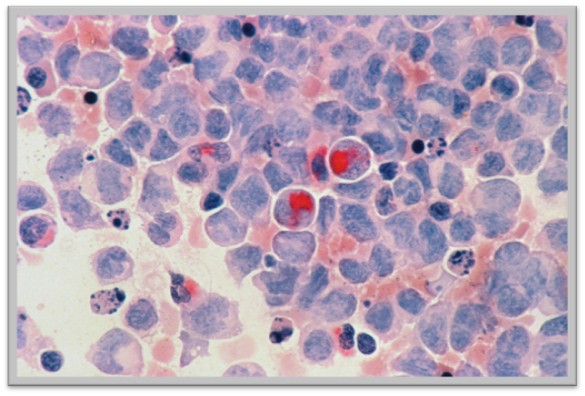
Research increasingly points to cancer stem cells as a critical part of this conversation. These are a small but powerful subpopulation of cancer cells with the ability to self-renew, survive in protective tumor microenvironments, and help repopulate disease after periods of apparent control.
Many conventional cancer approaches are designed around rapidly dividing tumor cells. However, cancer stem cells may remain dormant or slow-cycling, repair DNA damage more efficiently, adapt to cellular stress, and interact with the tumor microenvironment in ways that allow them to persist. This is one reason recurrence and treatment resistance can occur even when scans or standard markers appear improved.
For many patients, the goal becomes more than simply reacting to disease. It is about understanding the patient’s immune function, evaluating blood-based tumor signals, and protecting the body’s future biological resources before, during, and after intensive cancer care.
At the Maharaj Institute of Immune Regenerative Medicine, this is why we focus not only on fighting disease, but on protecting the future health of every patient — before, during, and after cancer treatment itself.
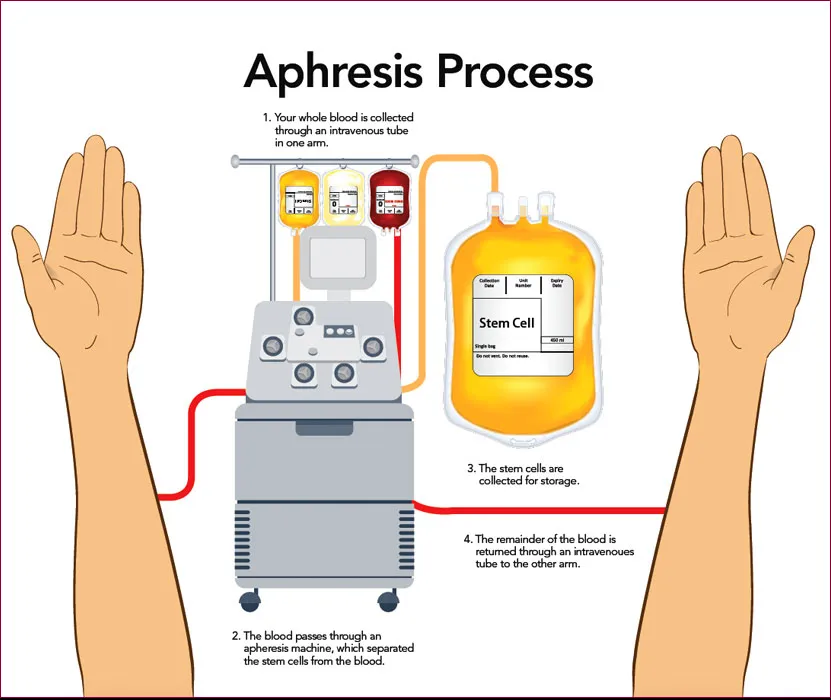
One of the ways we help patients protect their future health, when clinically appropriate, is through stem cell banking.
By collecting and preserving a patient’s healthy stem cells before intensive treatment or disease progression, we are able to capture and store a snapshot of their immune health at an earlier and potentially stronger baseline. These cells are cryogenically preserved and may remain available for future regenerative or immune-supportive applications if clinically appropriate.
What makes this approach especially meaningful is its deeply personalized nature. Rather than waiting until the body has already been through the most intensive phase of a cancer journey, stem cell banking allows a patient to preserve their own healthy cells earlier, creating a biological resource that may support long-term recovery planning.
One patient who experienced the reassurance of this approach is Sandra, who came to us after receiving a breast cancer diagnosis in her late 40s. Before moving forward with her outside oncology treatment plan, Sandra visited the Institute in Florida and chose to bank her stem cells as a proactive step in protecting her future health.

Today, Sandra is cancer free. Beyond that victory, she has the reassurance of knowing that a preserved bank of her own healthy stem cells — representing the strength of her immune system before intensive treatment — remains safely stored and available if she ever faces future health challenges. Whether needed in the event of recurrence or to support other immune-related concerns later in life, if clinically appropriate, Sandra has secured something invaluable: access to an earlier, healthier version of her own biology, ready to support her when she needs it most.
A cancer diagnosis touches everyone in its path—whether it’s your own journey or a loved one’s. Please know that you don’t have to carry this weight alone. At the Maharaj Institute of Immune Regenerative Medicine, we are here to walk alongside you, offering the support and resources you need to navigate every step of your recovery. For more information or to connect with our team, please visit our Contact Us form or call 561-752-5522.
South Florida Bone Marrow Stem Cell Transplant Institute DBA Maharaj Institute of Immune Regenerative Medicine
10301 Hagen Ranch Rd Ste. 600, Boynton Beach, FL 33437 USA
Phone: 561-752-5522 | Fax: 561-752-5446
Contact Us: Maharaj Institute Contact Us Form
Request An Appointment
Please fill out the form to request an appointment. We will contact you shortly to confirm the exact day/time.
